- الديكور الخارجي والمناظر الطبيعية
-
تشييد المباني
- مقاولو الخرسانة
- هدم المباني
- منتجات البلوك والخرسانة
- مهندسي الانشاءات
- مقاولو الطرق
- البيوت الجاهزة
- سحب الحديد والفولاذ
- السقالات
- اختبار التربة
- المولدات الكهربائية
- بيع وتأجير واستيراد ونقل المعدات الثقيلة
- ترحيل المخلفات
- تسرّب المياه
- كبار المقاوليين
- الأبنية مسبقة الصنع
- الحاويات
- الحفريّات
- قواعد الأساس
- تصنيع الحديد والفولاذ
- نظام الصرف الصحي
- بناء المطارات
- صيانة المنازل
- تقديم المشورة
- الأنظمة السمعية والبصرية وتكنولوجيا المعلومات
- الأرضيات والجدران
- خدمات أخرى
- الأثاث
-
أبناء والترميم
- الحجر والرخام
- منتجات خشبية
- منتجات الجبس
- موردو مواد البناء
- الدهان
- المصاعد والسلالم الكهربائية
- الحمامات والمطابخ
- المقاول الأنسب
- مقاولون اختصاصيون
- الزجاج
- إكسسوارات المطابخ والحمامات
- أنظمة ومنتجات الجدران
- مقاولو كهرباء
- ميكانيكيون
- أعمال جبس
- موردو نوافذ
- مقاولون تسليم مفتاح
- موردو الأبواب
- الحديد والأدوات المعدنية
- مقاولون لمكافحة الحريق
- صيانة المباني
- تصاريح وتراخيص السلطة
- الموبيليا والنجارة
- أنظمة الأسقف
- المنيوم
- الإنارة
- الدرابزين
- موردي ومقاولي المعادن
- الايدي العاملة
- أنظمة الطاقة الشمسية المنزلية
- التصميم والديكور
- تنظيم المناسبات والمعارض
- التصنيفات
- حول
Is designer furniture in Dubai actually worth spending on, or does it hold no resale value? Genuinely torn on this.
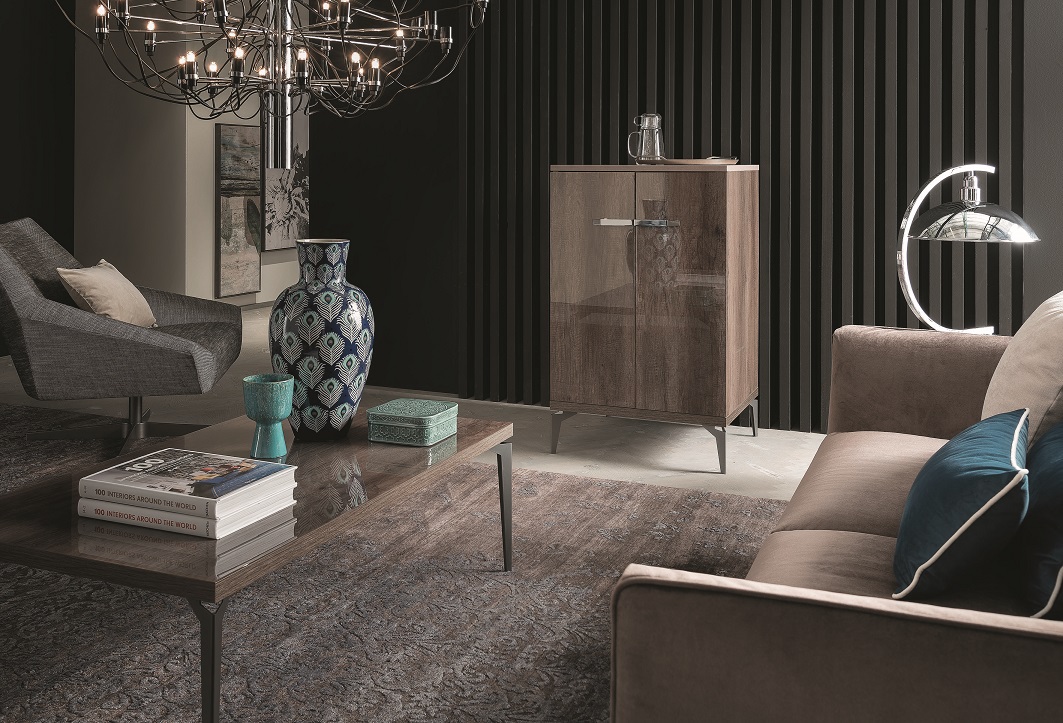
Genuine question, and one I've been thinking about a lot lately, so I'll share what I've landed on. Short answer: it depends heavily on the piece, but well-made designer furniture Dubai holds its value far better than mass-produced stuff, and in some cases actually appreciates.
The catch is what "designer" means. A branded showroom piece with a big markup for the label doesn't necessarily hold value; you're paying for the brand and losing most of that when you resell. But a piece made by an actual design-led studio, especially one that produces in-house and has a limited output, is a different story. Original design ages differently than mass imitation, and buyers who know the difference will pay for a well-kept piece years later. I know people who've sold pieces they used for five or six years for close to what they paid.
Where the real payoff lives, though, isn't necessarily resale; it's longevity, and it's why buying luxury furniture Dubai from a locally-based studio with international recognition tends to work out better than either a purely imported piece or a cheap local one. A well-made piece from that kind of studio stays functional and looks right for decades, and because the maker is a car ride away, you can get repairs, refinishing, or matching pieces years later without shipping anything internationally. Factor in the actual cost per year of use plus that long-term support, and the "expensive" piece often works out cheaper than the imported one you replace every five years.
My rule of thumb: for anchor pieces (sofa, dining table, bed), spend on quality. For trend-driven or short-term stuff, save. And skip any piece where you're paying purely for the label.